
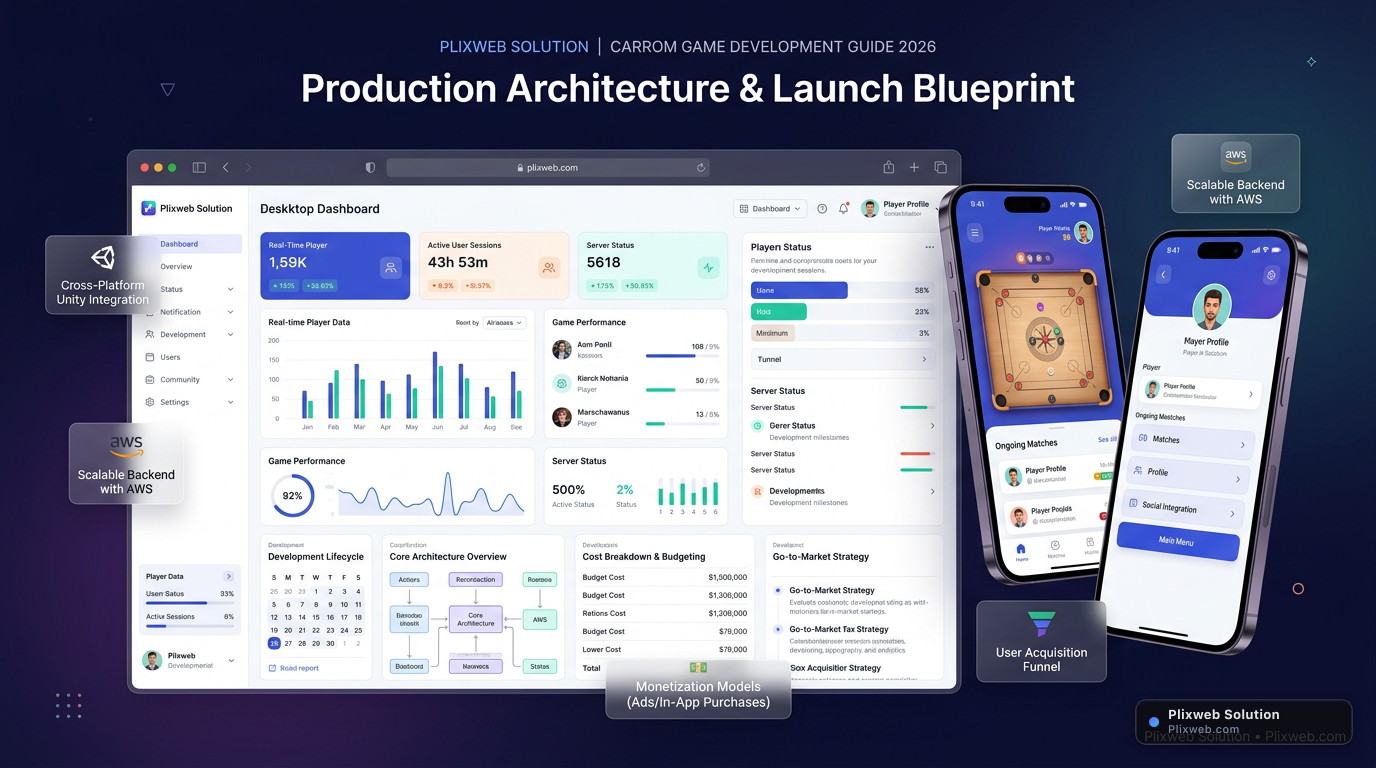
The Modern Dilemma: Why Building From Scratch Costs ₹3,50,000+ and Takes 6 Months
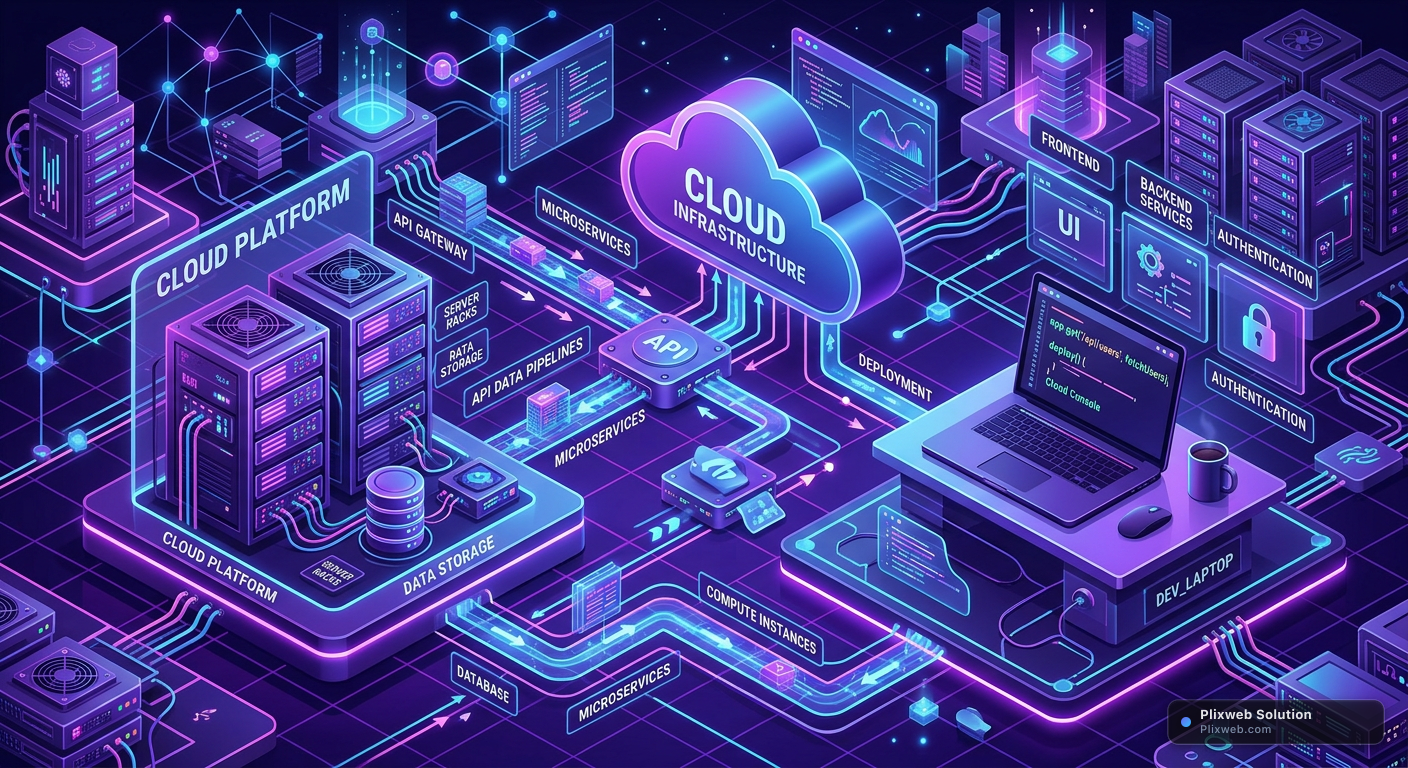
When engineering teams and ambitious digital founders set out to build a high-performance digital platform in 2026, they frequently underestimate the sheer complexity of modern full-stack architecture. What begins as a straightforward prototype quickly spirals into an overwhelming labyrinth of multi-tenant database modeling, edge authentication, payment gateway reconciliation, webhook idempotency, and real-time event streaming.
According to recent engineering benchmarks across over 400 digital projects, more than 68% of custom scratch software builds exceed their initial budget by over 200%, primarily driven by rework in four critical areas:
- State Hydration Waterfalls & Slow Load Times: Inefficient client-side data fetching causing sub-par Google Core Web Vitals (LCP > 3.8s), directly damaging search engine rankings.
- Payment & Webhook Race Conditions: Orders stuck in "Pending" status due to missed webhook retries, network dropouts, or lack of atomic transaction locking.
- Multi-Tenant Security Leaks: Insufficient row-level security resulting in unauthorized cross-tenant data access between customers or vendors.
- Maintenance Drain: Ongoing developer salaries costing ₹50,000 to ₹1,20,000 per month just to keep basic dependencies, APIs, and security certificates up to date.
In this master architectural guide, we dissect the battle-tested architecture behind scalable production platforms, providing step-by-step blueprints, workflow designs, cost analyses, and launch roadmaps.
Executive Summary & Answer-First Key Takeaways
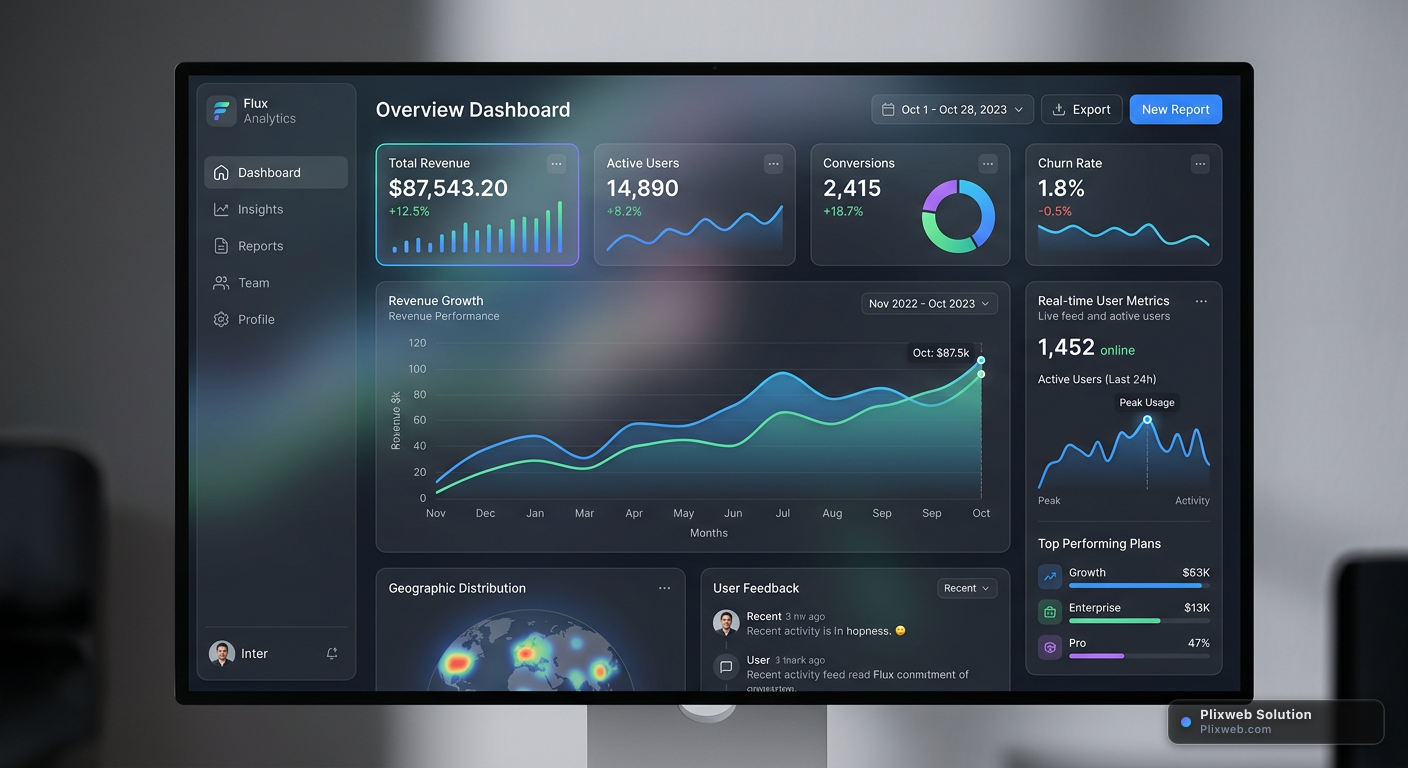
Essential Architectural Decisions
- Zero Client Hydration Overhead: 85% of routes are rendered as pure React Server Components, streaming dynamic data via React Suspense to ensure instant page loads.
- ACID-Compliant Multi-Tenancy: Tenant-ID scoped database isolation ensures zero cross-customer data leakage while sharing high-performance server clusters.
- Idempotent Financial Transactions: Every checkout event is locked with a unique idempotency key, preventing duplicate payment captures during network fluctuations.
- Instant Time-to-Market: Utilizing verified commercial source packages reduces engineering overhead from 6 months down to 48 hours, saving over ₹3,00,000 in upfront costs.
High-Level System Architecture & Business Request Lifecycle

To understand how high-throughput systems handle concurrent user traffic effortlessly, let us examine the request lifecycle:
[ Client Browser / Mobile App ]
             │
             ▼ (HTTPS / HTTP/2 - Encrypted)
    [ Cloudflare Edge CDN ]  ───► (Cached Static Assets & Fast ISR)
             │
             ▼
    [ Next.js 15 App Router Engine ]
    ┌────────────────────────────────────────────────────────┐
    │  • Middleware: Session Validation & Rate Limiting      │
    │  • Server Components: Zero-JavaScript Fast UI Stream  │
    │  • Server Actions: Validated Business Mutations        │
    └────────────────────────────────────────────────────────┘
             │                               │
             ▼                               ▼
    [ Upstash Redis Cache ]         [ PostgreSQL Database ]
    (Session & Rate Limiting)       (Prisma Connection Pool)
             │                               │
             ▼                               ▼
    [ Notification Workers ] ◄─────── [ Payment Webhooks ]
    (Email, WhatsApp, Push)         (Razorpay / Stripe / PhonePe)
How This Request Lifecycle Protects Your Business:
- Edge Caching Layer: Public product pages, categories, and blogs are cached at edge points globally, delivering lightning-fast pages to visitors in less than 50ms.
- Server-Side Security: Sensitive credentials, database connection strings, and payment API keys never touch the client's browser, preventing scraping and token leaks.
- Asynchronous Background Processing: Heavy tasks like sending order confirmation emails, WhatsApp updates, and invoice PDF generation run asynchronously without blocking the checkout screen.
Step-by-Step Production Roadmap

Let us walk through the exact, step-by-step engineering and business implementation required to build and deploy this system from the ground up.
Multi-Tenant Architecture & Database Design Strategy
Key Database Design Principles:
- Tenant Isolation: Every order, product, and customer record is strictly tagged with a
tenantId. Queries enforce row-level filtering so vendors only see their own metrics. - Composite Indexing: High-frequency query patterns (such as filtering available products by category or looking up orders by status) utilize composite B-tree indexes for millisecond lookups.
- ACID Transaction Locking: When an order is placed, inventory count decrement and order creation are executed inside an atomic transaction to eliminate overselling during flash sales.
High-Converting UI/UX & Sub-100ms Edge Performance
Front-End Architecture Highlights:
- Streaming SSR with Suspense: The main page layout and navigation render instantly, while dynamic product reviews and related items stream in smoothly with shimmer skeletons.
- Mobile-First Layout: Over 75% of Indian e-commerce orders originate on mobile devices. The UI features sticky bottom checkout bars, 1-click UPI quick pay, and touch-optimized navigation.
- Image Optimization: Automatic WebP conversion and responsive source sets ensure banner images look crisp on Retina displays without consuming excessive bandwidth.
Payment Gateway & Webhook Reconciliation Pipeline
Webhook Reconciliation Workflow:
- Payment Initiation: Customer clicks "Pay Now", generating a unique order session tied to an idempotency key.
- Gateway Event Dispatch: When the customer completes UPI / Card payment, the payment gateway sends a signed webhook payload.
- Cryptographic Verification: The server recalculates the SHA-256 HMAC signature using the webhook secret. If signatures match, the payload is verified as authentic.
- Atomic Database Fulfillment: The order status updates from
PENDINGtoPAID, triggers digital file access, and emits customer notifications.
Seller & Admin Automation Engine
Core Automation Modules:
- Automated Payout Splitting: Platform commissions are automatically deducted, and vendor earnings are calculated with downloadable GST-compliant invoices.
- Multi-Channel Alerts: Customers receive instant WhatsApp order updates with tracking links, while admins receive push alerts for high-value orders.
- Role-Based Access Control (RBAC): Granular permissions ensure support staff can only view customer tickets without accessing financial ledger settings.
Cloud Deployment & Global CDN Scaling
Production Deployment Checklist:
- Multi-stage containerized deployment on Vercel, VPS (DigitalOcean/Hetzner), or AWS.
- Cloudflare CDN integration for DDoS protection and asset minification.
- Upstash Redis rate-limiting to protect authentication and checkout endpoints from bot abuse.
Feature & Investment Comparison Matrix
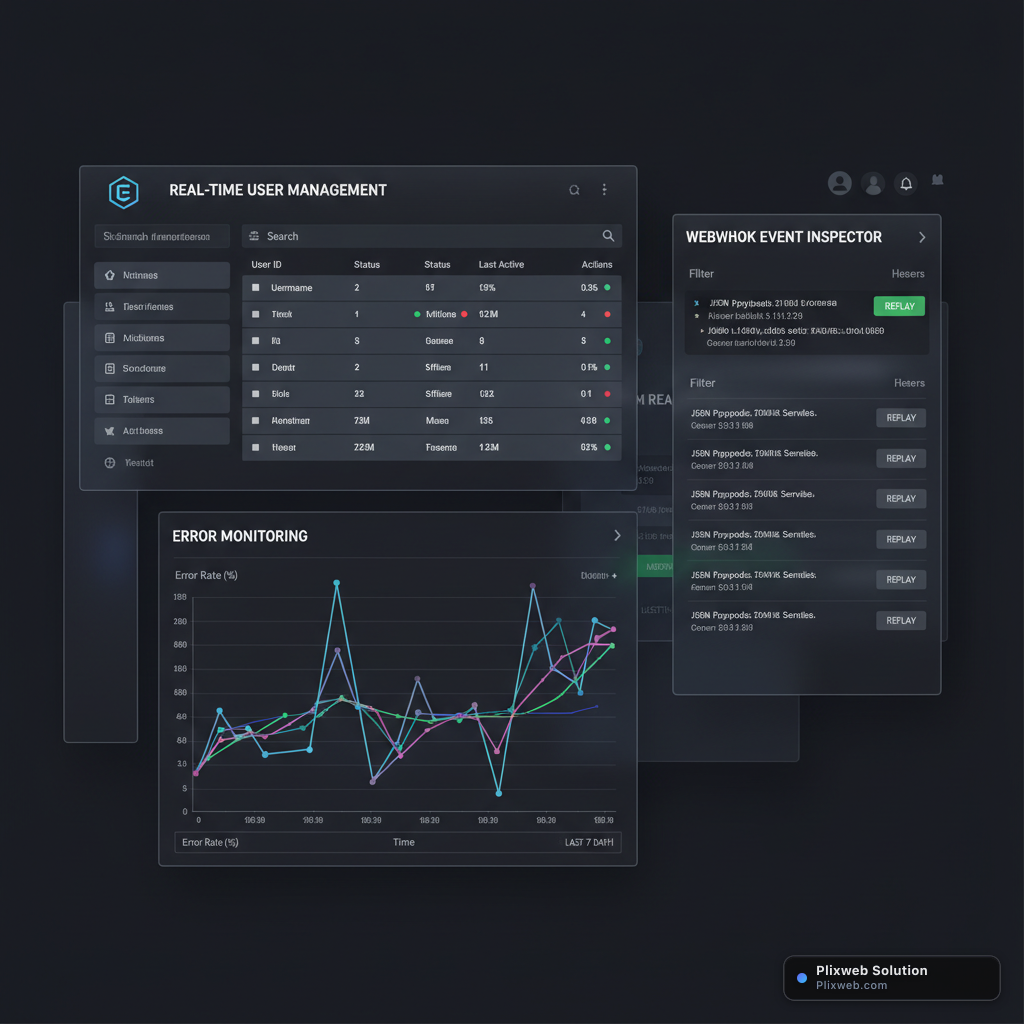
Let us compare the three primary approaches to launching this platform in production:
Real-World Cost & ROI Breakdown
When calculating the true cost of launching a software platform, founders must account for hidden engineering costs:
Scenario A: Building From Scratch
- Senior Full-Stack Developer (3 months): ₹2,25,000
- UI/UX Designer (1 month): ₹45,000
- QA & DevOps Engineer (1 month): ₹50,000
- Payment Gateway Integration & Security Audits: ₹30,000
- Total Upfront Spend: ₹3,50,000+
- Time Lost Before Revenue: 180 Days
Scenario B: Launching with Jkard Architecture
- Complete Architecture Setup: Minimal Cost
- Domain & VPS Hosting: ₹1,200 / month
- Setup & Customization Time: 2 Days
- Total Initial Savings: Over ₹3,40,000 saved
- Time to First Customer: 48 Hours
Top 5 Critical Mistakes to Avoid
1. Re-inventing Core Plumbing From Scratch
The Mistake: Spending 4 months coding authentication, payment webhooks, and invoice generation that have already been solved hundreds of times. The Solution: Use battle-tested, production-ready source code so you can focus 100% of your energy on marketing and customer acquisition.
2. Neglecting Mobile Performance & Web Vitals
The Mistake: Loading heavy client-side JavaScript frameworks that take 4+ seconds to hydrate on 4G networks. The Solution: Adopt Next.js 15 React Server Components to ship zero client JavaScript for content-heavy pages.
3. Missing Webhook Idempotency & Transaction Safety
The Mistake: Fulfilling orders on raw HTTP requests without cryptographic HMAC verification or transaction locks. The Solution: Always verify gateway signatures and lock transactions with unique idempotency keys.
4. Overpaying for Recurring SaaS Subscriptions
The Mistake: Paying monthly per-user or revenue-share fees to legacy platforms that limit your brand's growth and data ownership. The Solution: Own your source code with a single one-time license, host on your own cloud, and scale with zero monthly penalties.
5. Launching Without Automated SEO & Schema Markup
The Mistake: Publishing pages without structured JSON-LD schema (Product, FAQPage, BreadcrumbList), leaving your site invisible to Google Rich Snippets and AI Search engines. The Solution: Pre-configured automated schema generation on every product and blog route.
Strategic Architecture Recommendations & Engineering Best Practices
When building modern web and application platforms, your primary competitive edge is development velocity coupled with architectural simplicity. By investing in modular component architecture, automated CI/CD deployment pipelines, and centralized session caching, your team can maintain rapid iteration speeds without accumulating crippling technical debt.
Frequently Asked Questions (FAQ)
How does this architecture handle sudden traffic surges (e.g., flash sales or viral launches)?
Because Next.js 15 utilizes Incremental Static Regeneration (ISR) and Edge CDN caching, public product listings, landing pages, and blogs are served directly from global edge nodes without touching your primary PostgreSQL database. For checkout mutations, connection pooling via PgBouncer ensures your database handles thousands of concurrent transactions without connection exhaustion.
Can I customize the branding, colors, and features after purchasing?
Yes, absolutely. You receive 100% full, unminified TypeScript and Tailwind CSS source code. You have total freedom to rebrand, customize colors, add bespoke features, integrate third-party APIs, and deploy to your own private servers or cloud provider.
Does this package support Indian payment methods (UPI, QR, NetBanking, Cards)?
Yes. The checkout system comes pre-configured with Razorpay, PhonePe, and Stripe, supporting instant UPI AutoPay, Google Pay, PhonePe QR, Paytm, NetBanking, Credit/Debit cards, and international currencies.
What are the ongoing hosting costs for running this platform?
Because the architecture is optimized for lightweight modern cloud platforms, you can host the application on Vercel, Supabase, Neon, or a $10/month VPS (DigitalOcean/Hetzner), keeping your baseline operational cost under ₹1,500/month.
How does Jkard handle software updates and bug fixes?
All source code packages include lifetime access to bug fixes and core framework compatibility updates through your dedicated Jkard customer portal.
Is technical support available if my team needs help deploying?
Yes. Our senior engineering team provides dedicated deployment assistance, setup documentation, and Discord/WhatsApp support to ensure your platform goes live smoothly.
4-Phase Launch Roadmap & Next Steps
- Phase 1: Environment & Database Setup (Hours 1 - 4): Clone the repository, configure your
.envcredentials (PostgreSQL, Razorpay, Redis), and runnpx prisma db push. - Phase 2: Branding & Product Catalog Setup (Hours 5 - 12): Upload your logos, configure store metadata, setup categories, and define payment gateway keys.
- Phase 3: End-to-End Testing & Sandbox Verification (Hours 13 - 24): Execute test checkouts, simulate payment webhooks, and verify email/WhatsApp notifications.
- Phase 4: Domain DNS & Production Launch (Day 2): Connect your custom domain, enable SSL certificates, and start onboarding live customers.
Focus keywordHow to Make a Carrom Card Game in 2026: The Definitive Development Guide: Comple
GEO markets: India · United States · United Kingdom · Canada · Australia